Super Sauropods of the Morrison Formation
One of the most famous groups of dinosaurs are the long-necked dinosaurs, known as sauropods. The group had humble beginnings in the Triassic period, but quickly grew to large sizes. By the late Jurassic period, some had grown to gargantuan sizes. The best geologic formation to find these Jurassic behemoths is, hands down, the Morrison Formation. Named after Morrison, Colorado, exposed rock from the formation can be mainly found in the U.S. states of Colorado and Wyoming, while smaller sections can be found in many neighboring states.
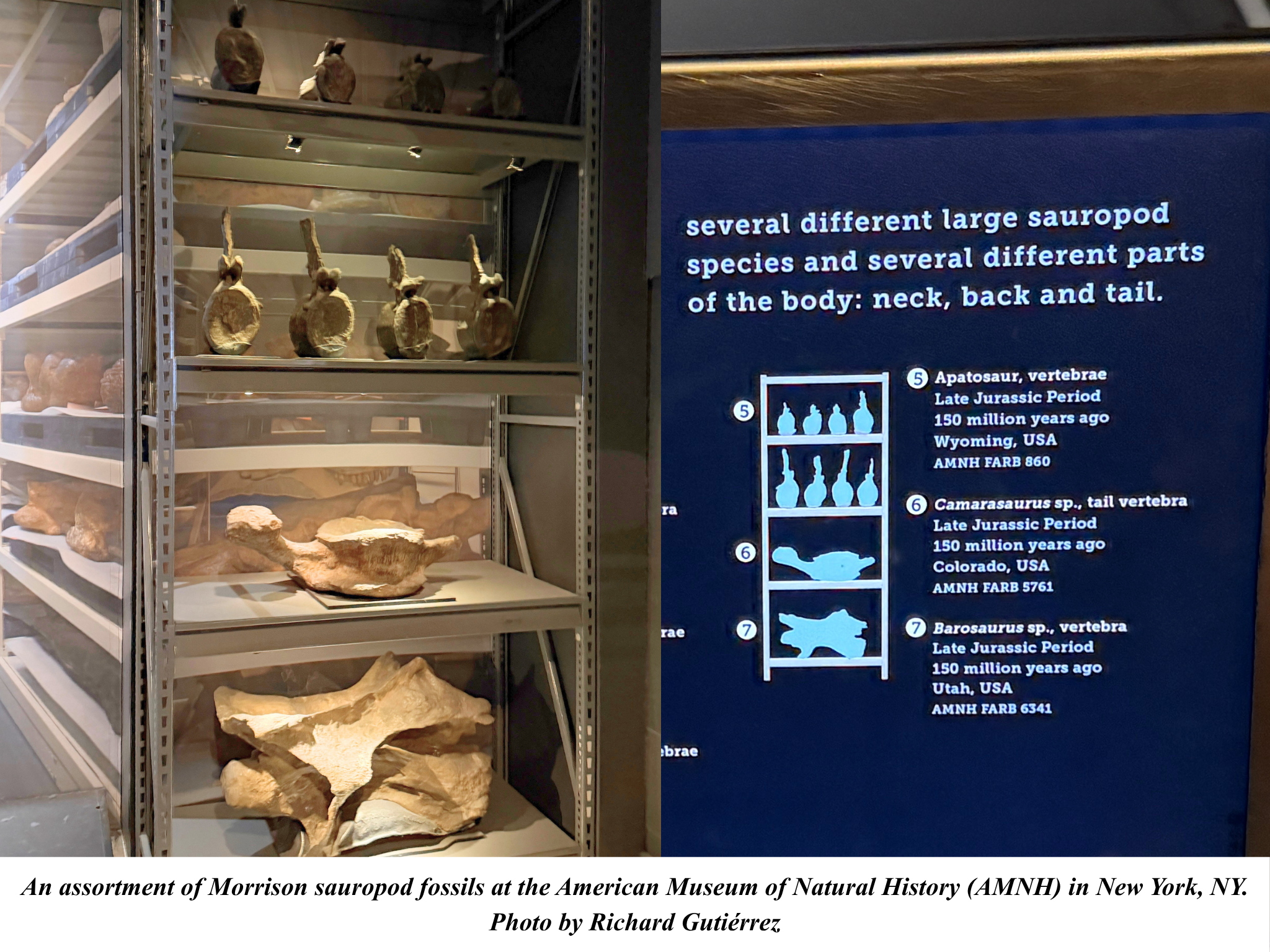
Arguably the most famous of the sauropods- dinosaurs like Brachiosaurus, Apatosaurus, Brontosaurus, and Diplodocus- have all been found in the Morrison formation. Below, we’ll go through a catalog of sorts, featuring every single valid sauropod genus found, so far, within this specific rock group. In addition to the famed genera above, some lesser known animals, such as Kaatedocus and Galeamopus, will be discussed.
The sauropods of the Morrison formation can be readily split into two main groups: Macronaria and Diplodocoidea. To begin with a lesser-known diplodocoid, Ardetosaurus viator is known from a partial skeleton. Named by van der Linden et al in 2024, this animal was distinguished from other diplodocids by some unique characteristics in its vertebrae. Interestingly, van der Linden and his colleagues were able to estimate the specimen’s age as being 22 based on taking a cross section of a rib bone, similar to how people can age trees using their rings.
Next is a creature known from more fragmentary remains. Amphiocoelias, specifically, A. fragillimus, used to make headlines as the “largest living thing to ever live”; some estimates placed it at over 190 feet (58 meters) in length! However, the one piece of bone used to describe A. fragillimus went missing over a century ago. Alll that is left for modern size estimates are the original measurements and drawings of the vertebra. For what it’s worth, the bone fragment was a whopping 5 feet (1.5 meters) tall, with an estimated complete vertebra height of 9 feet (2.7 meters), though some believe that even this measurement may have been a typo.
A more modern analysis by Kenneth Carpenter revealed the reason for the giant size estimates: earlier scientists had used the wrong basis for their calculations. While initially assumed to be a diplodocid like Diplodocus, Carpenter interpreted the fossil as a rebbachisaurid, using the much later genus Limaysaurus as a reference for A. fragillimus’ length. Using the stockier rebbachisaurid body plan as a basis, Carpenter found a much more realistic (but still very large) length of a little more than 100 feet (32 meters). The rebbachisaurids are diplodocoids but less derived than the diplodocids. In accordance to A. fragillimus’ new family ties, it was renamed Maraapunisaurus fragillimus. The generic name Amphicoelias lives on in A. altus, which is a much more moderately-sized (about 60 feet, or 18 meters) length.
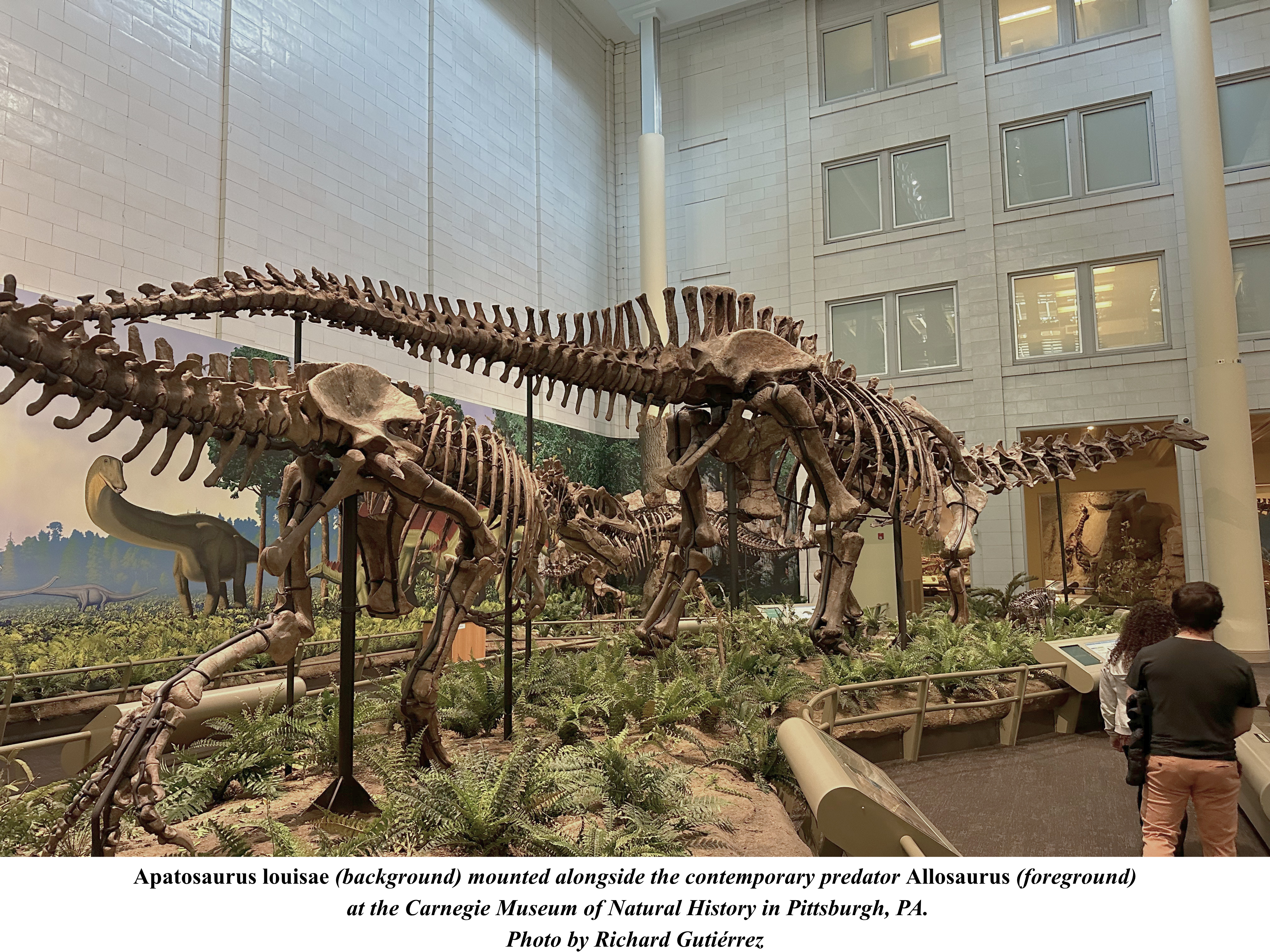
Next is one of the all-time classics: Apatosaurus. Apatosaurus is known from two species, including the type species (the species used to define a genus) A. ajax and the slightly smaller A. louisae. The largest A. ajax were thought to reach a little bit under 100 feet (30 meters) in length, but most were closer to around 75 feet (23 meters) in length. Along with Brontosaurus, Apatosaurus is part of the Apatosaurinae subfamily within Diplodocidae. This subfamily was a bit more basal than other diplodocids, including more robust skulls and thicker necks. In popular culture, Apatosaurus has been featured in lots of media, including in The Land Before Time in the form of the main character, Littlefoot. Additionally, the genus was featured in the Jurassic World franchise. Despite this fame, it was never as popular as the closely-related Brontosaurus.
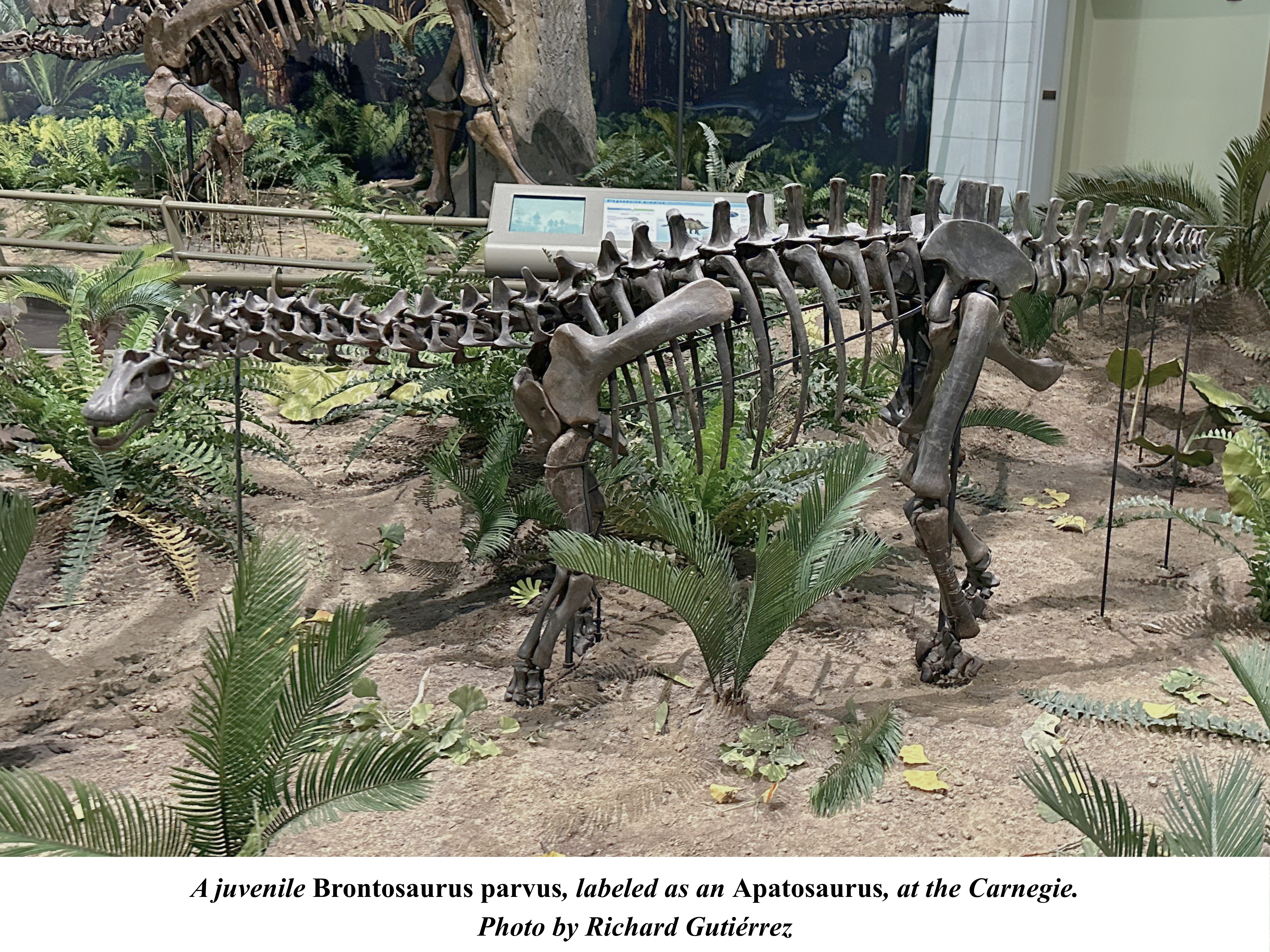
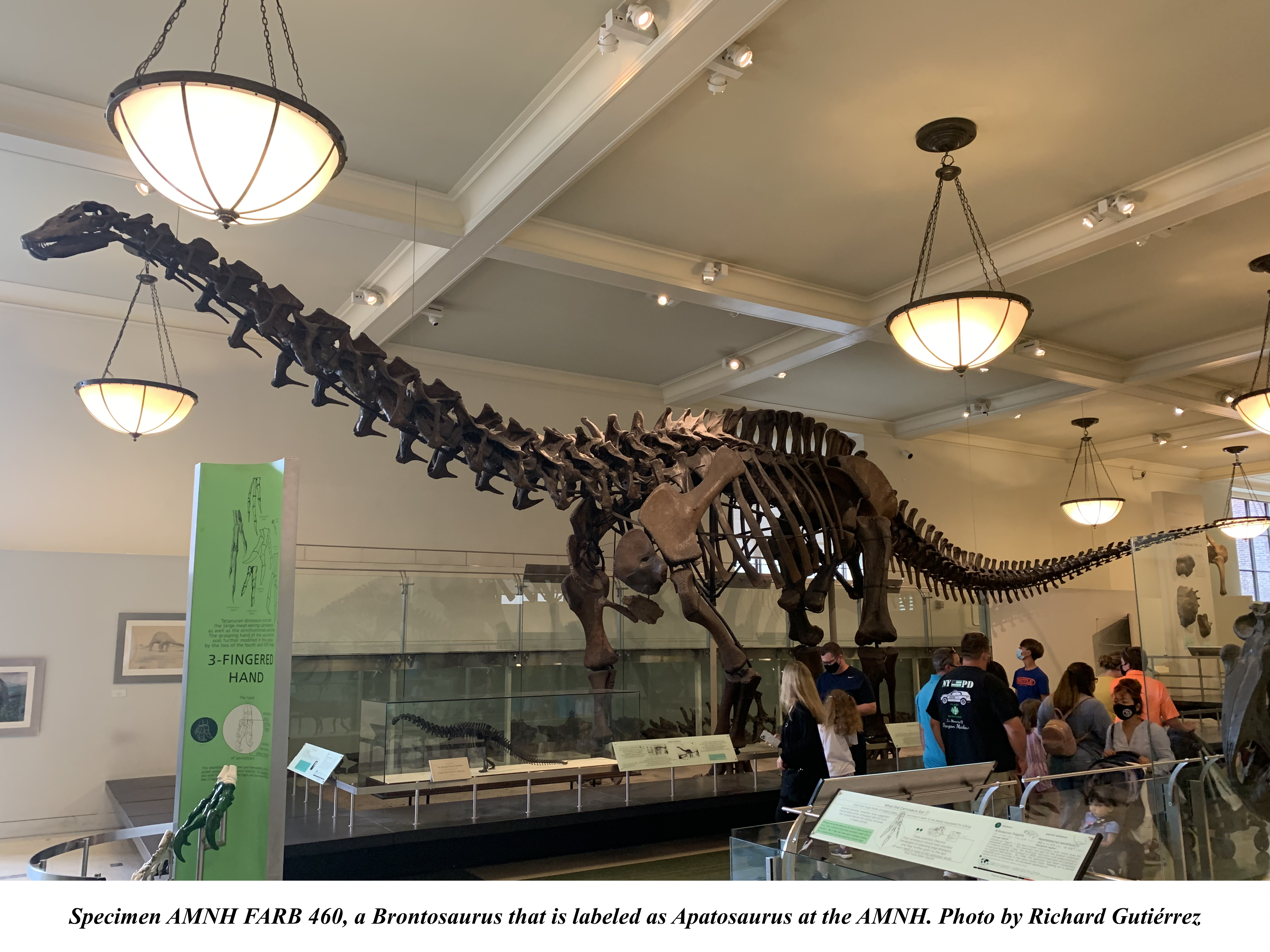
Brontosaurus is a unique case. For decades, despite it being synonymous in popular culture with sauropods, the name was not a validly accepted genus. For nearly a century, the popular train of thought was that bones attributed to Brontosaurus were actually Apatosaurus; in a way, while Apatosaurus was living under Brontosaurus’ popular media shadow, Brontosaurus was living under Apatosaurus’ scientific shadow. In 2015, Emanuel Tschopp and colleagues performed a rigorous analysis on diplodocid fossils. Rather than examining fossils grouped by species, the authors looked directly at specimens. From this approach, they were able to quantitatively support the validity of Brontosaurus. What’s more, three species were included within the genus: B. excelsus, B. parvus, and B. yahnahpin. The largest of the three, B. excelsus, could reach up to 75 feet (23 meters) in length. With just one study, a beloved dinosaur genus with a great name (which means “thunder lizard”) was resurrected! Tschopp et al. was also able to describe an entirely new animal in the same study, which they named Galeamopus.
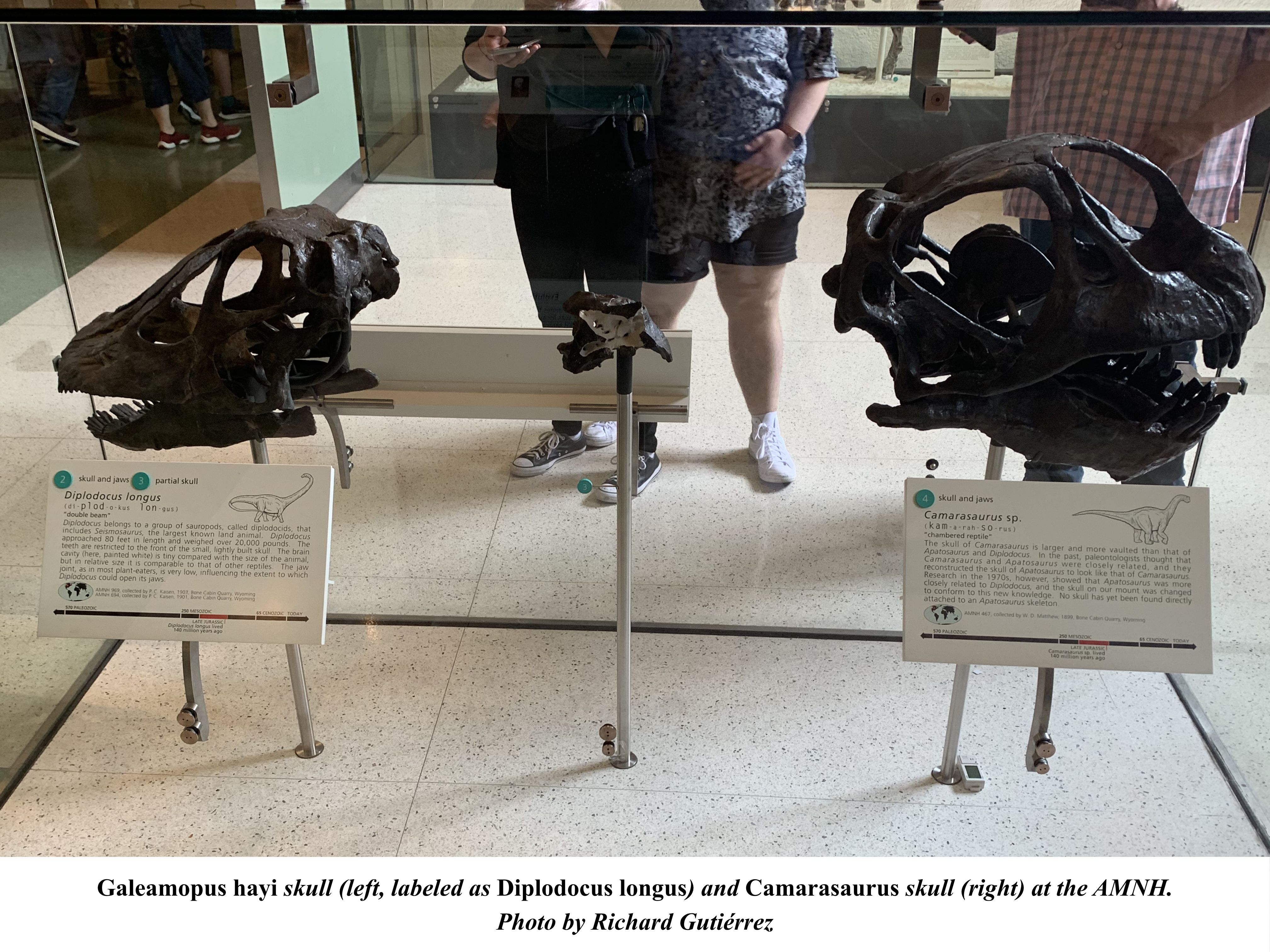
Galeamopus hayi was originally considered a species of Diplodocus, but the specimen referred to as Galeamopus was found to be sufficiently different to Diplodocus. In fact, Diplodocus is closer in relation to Barosaurus and Kaatedocus than to this new genus. Further research by Tschopp and Mateus published in 2017 named another new species: Galeamopus pabsti.
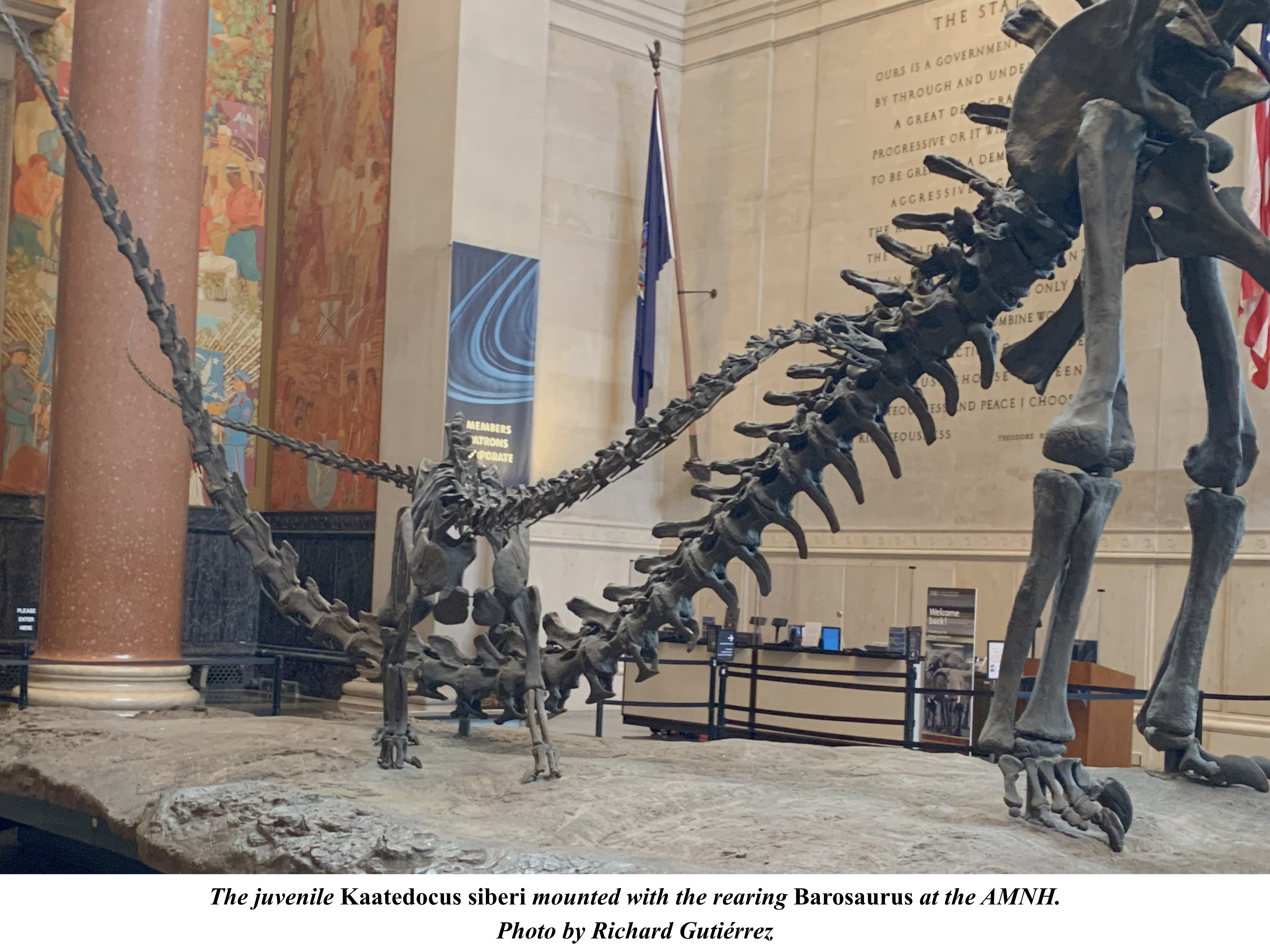
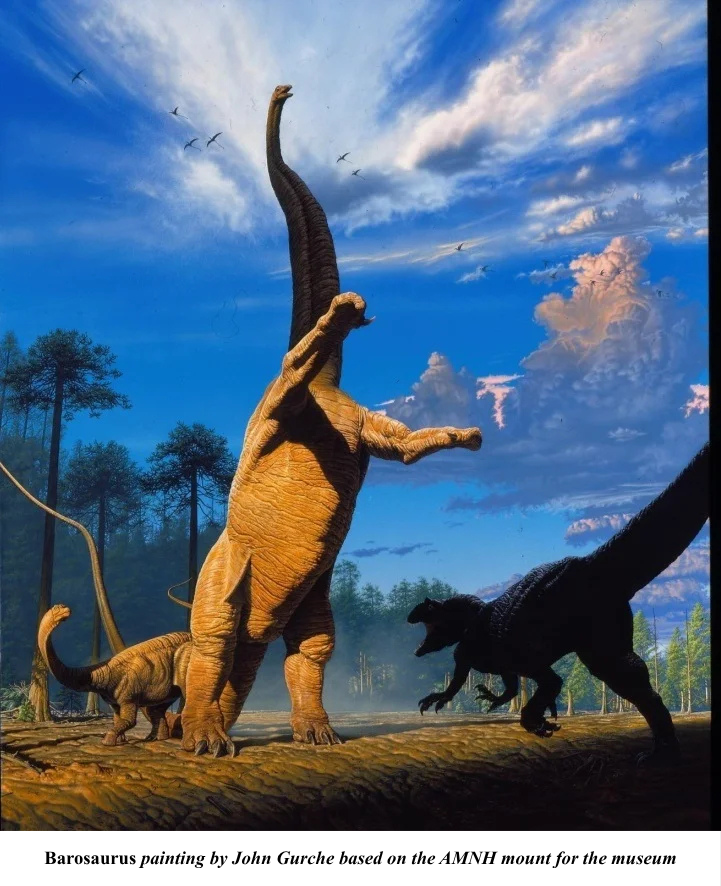
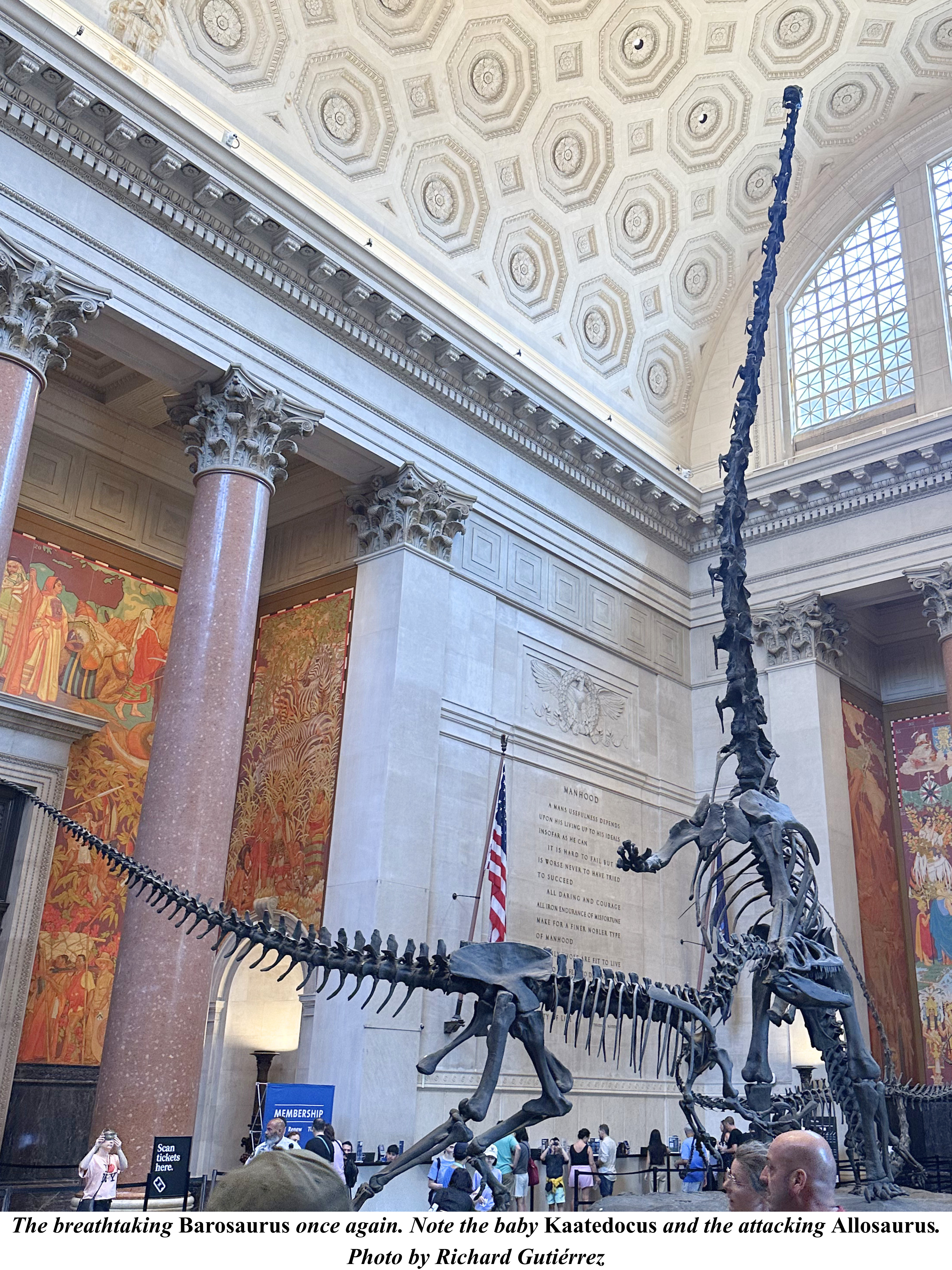
Speaking of Barosaurus, one specimen is housed in a very prominent location at the most-visited natural history museum in the United States. As you enter the main entrance of the American Museum of Natural History in New York, New York, you are greeted by a Barosaurus rearing on its hindlimbs, protecting its offspring (more on this juvenile later!) from an attacking Allosaurus. For this reason alone, Barosaurus is much more famous than people may think; toys and artwork produced of the genus can often be found in a similar pose as the mount, a testament to how the majestic Barosaurus has captured the imagination of the museum-faring public. Its most impressive attribute lies in its length of 90 feet (27 meters). Interestingly, its proportions differ from that of Diplodocus itself, with a comparatively shorter tail yet comparatively longer neck.
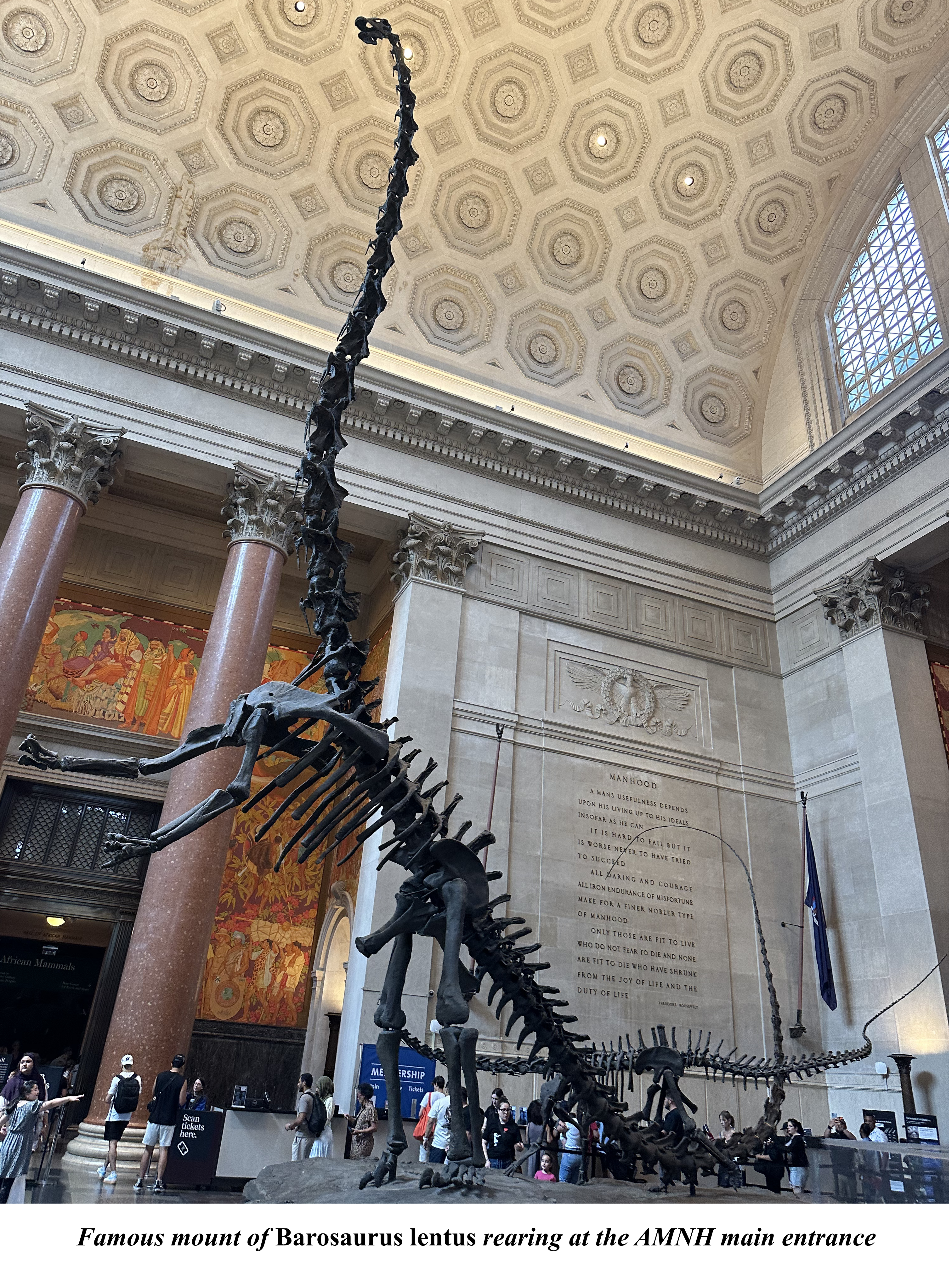
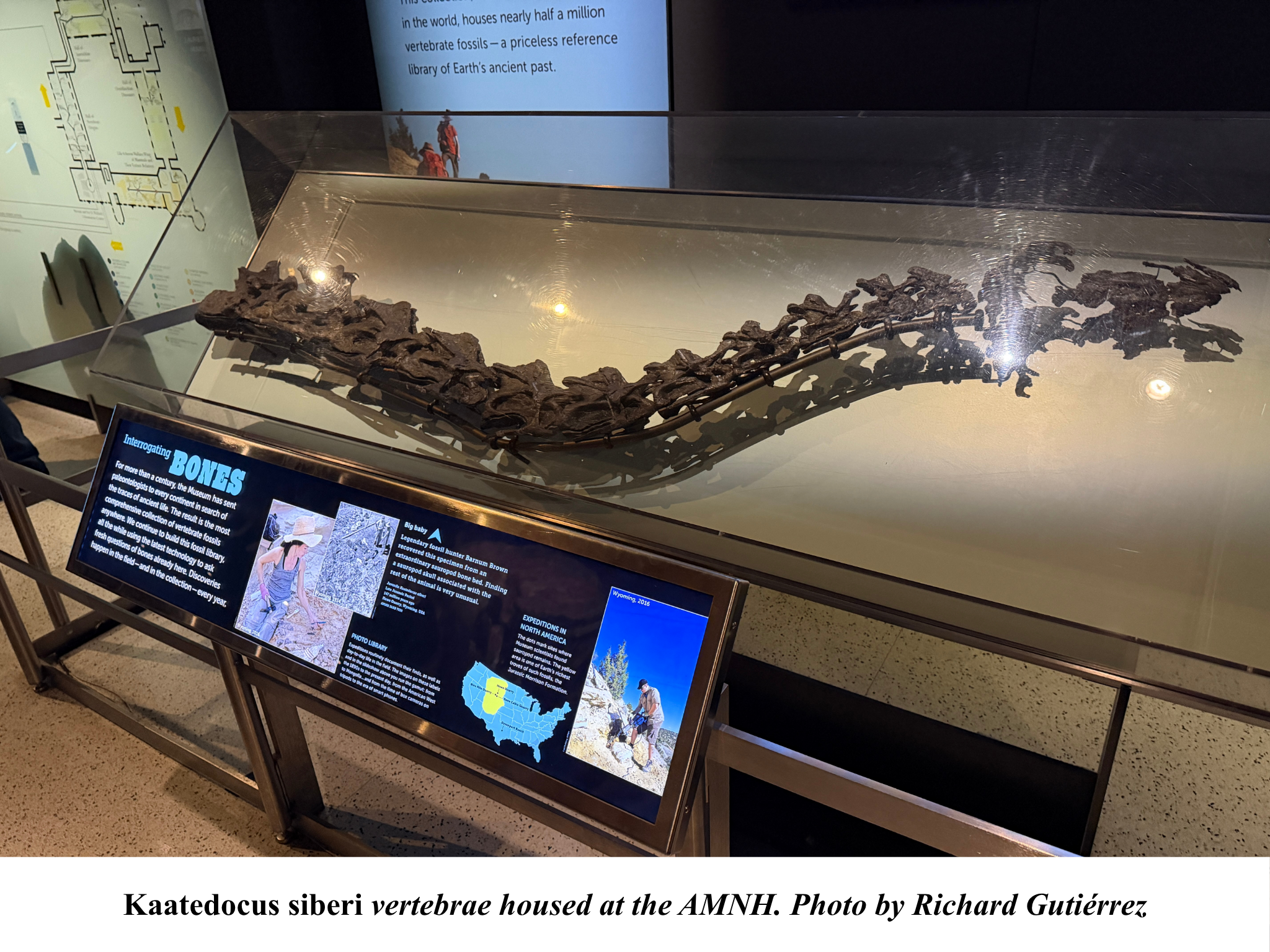
Barosaurus is known from only one species, Barosaurus lentus. However, lots of Morrison sauropod remains have been assigned to the genus- sometimes incorrectly so. One such example is the aforementioned Kaatedocus siberi. In fact, the “juvenile Barosaurus” from the American Museum of Natural History mentioned above is actually a juvenile K. siberi! This diplodocid was first described in 2012, once again in research by Tschopp et al. The type specimen for Kaatedocus was found in the lesser-explored northern portion of the Morrison formation, which indicates that there may have been a geographic divide of different species in different localities.
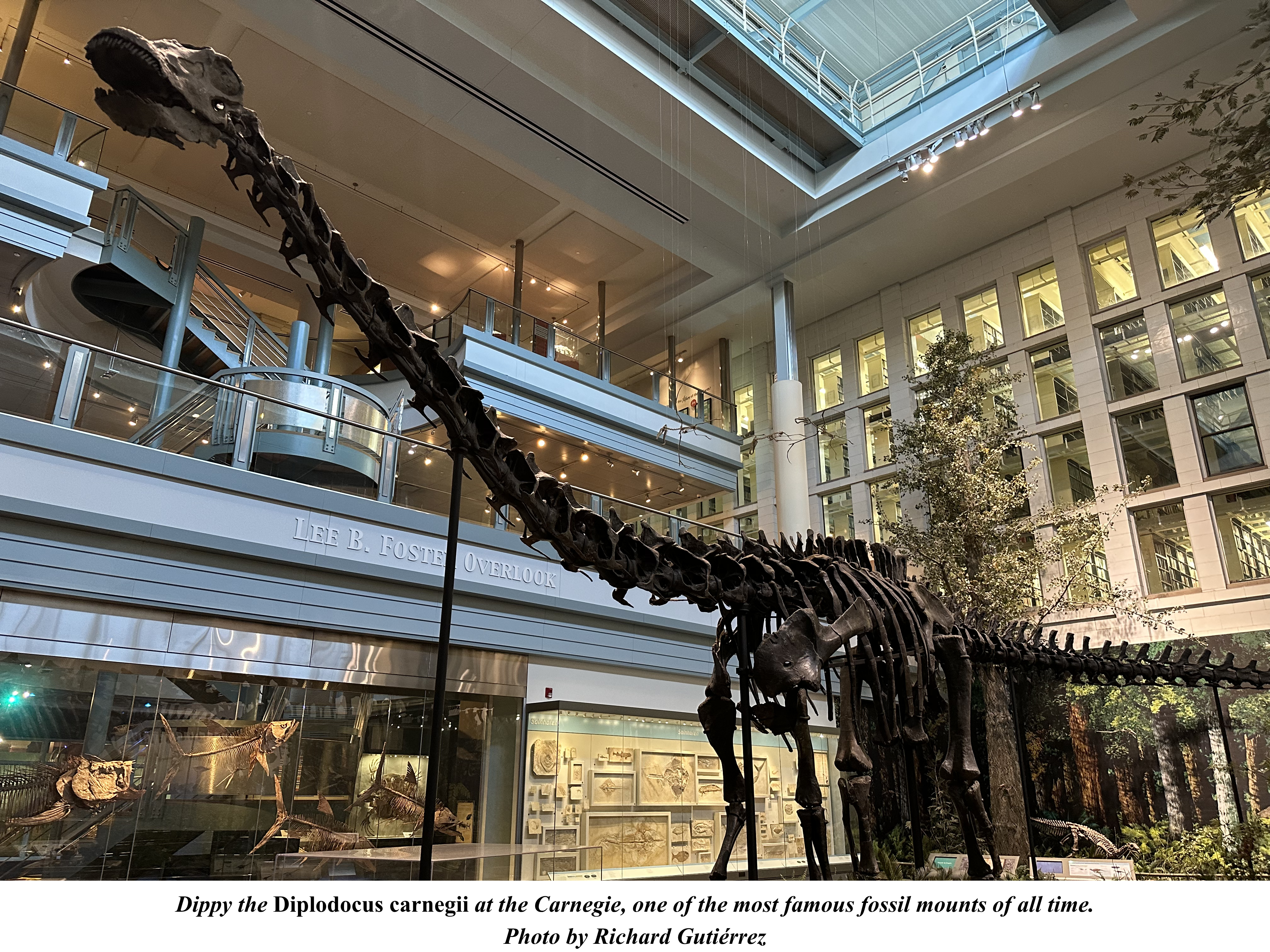
With all of this diplodocid talk, we should now look at Diplodocus itself. Immortalized in famous fossil mounts, primarily Dippy the Diplodocus in Pittsburgh, Pennsylvania, this genus gained further recognition thanks to a starring role in an episode of the documentary series Walking with Dinosaurs. Diplodocus’ most famous species is Diplodocus carnegii, after Andrew Carnegie funded the expedition that discovered Dippy. It is important to note that Dippy is not a single individual; it is a composite specimen of different individual Diplodocus. Despite this, it still acts as an accurate “general-looking” Diplodocus. Dippy has been called the most famous dinosaur in the past; even King Edward VII of the U.K. wanted it to be mounted in England, so Carnegie had a special replica cast specifically for London’s Natural History Museum.
Diplodocus had a second noteworthy species in D. hallorum. Found in the 1990s (almost 100 years after Dippy), this species was originally housed within a distinct genus called Seismosaurus. The name meant “earthquake lizard” due to its massive size, implying that the animal made the ground shake with every step it took. However, Seismosaurus is no longer a valid genus, as later research found S. hallorum to be a new species of Diplodocus. Compared to the approximately already-huge, 80-foot (24-meter) D. carnegii, D. hallorum was truly gargantuan, at around 110 feet (34 meters). Another species should be briefly mentioned. The type species of Diplodocus is D. longus. However, this species was named in the late 1870s from fragmentary remains and is now considered to be a nomen dubium, which means the scientific validity of the name is dubious.This distinction does not affect D. carnegii or D. hallorum, both of which are known from good remains.
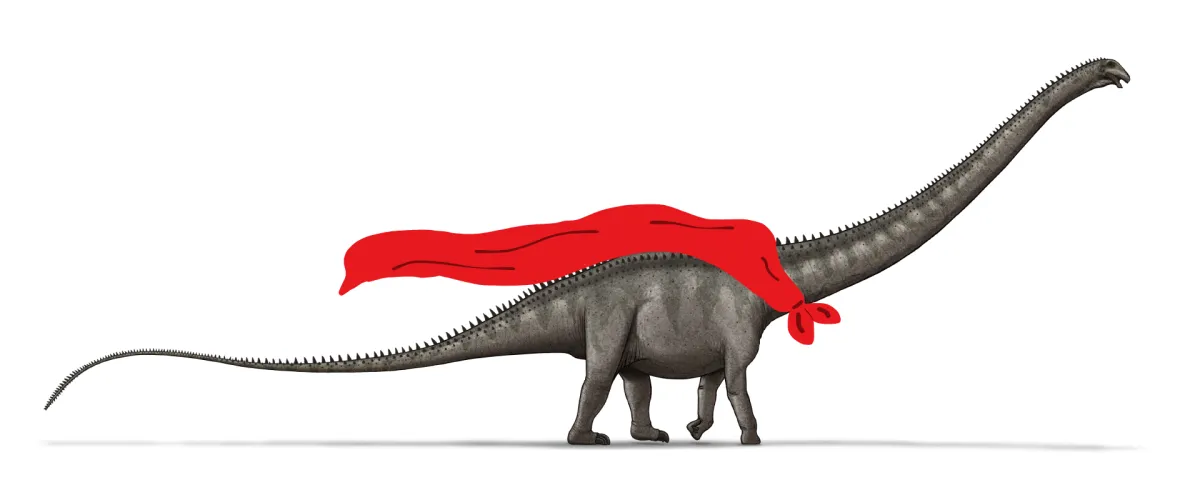
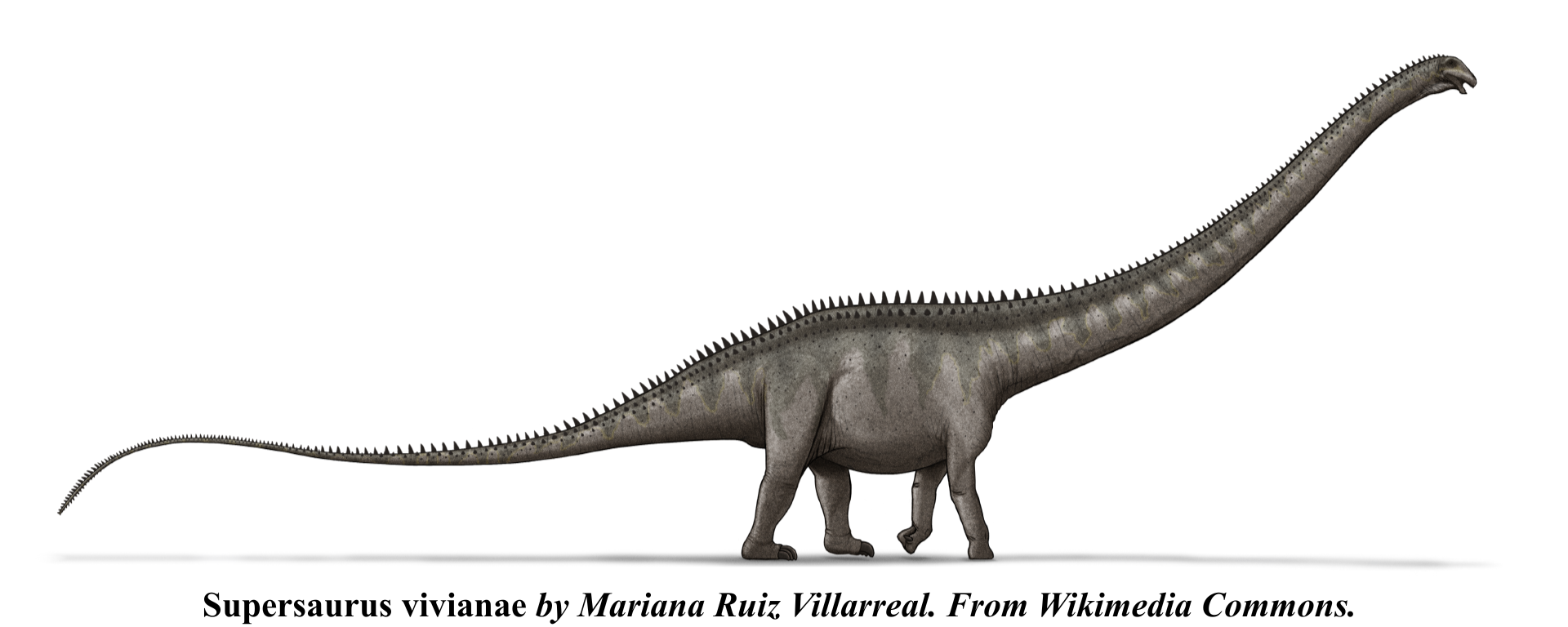
Next is an even longer Morrison sauropod than D. hallorum. Supersaurus is well-known as likely the longest dinosaur known (though not the most massive, as diplodocids were a bit more gracile compared to later sauropods known as titanosaurs). According to research presented at the 2021 Society of Vertebrate Paleontology, the genus could reach sizes surpassing 128 feet (39 meters) in length, and even this may be a slight underestimate! Supersaurus vivianae, the type species, was originally named based on only a few fossils, including shoulder and leg elements. Later finds, including vertebrae, have been unearthed. In some cases, these had been assigned to new genera, but were later found to lie within Supersaurus. Among these now-disregarded names are “Ultrasauros” and “Dystylosaurus.” A second species of Supersaurus may exist in the form of Dinheirosaurus lourinhanensis. This species did not live in the Morrison, as it was discovered in Portugal. While not conclusive, this animal may represent a European species of Supersaurus.
The last diplodocid found in the Morrison formation is Haplocanthosaurus, which consists of two species. Generally speaking, Haplocanthosaurus is known from fewer remains than the more famous Morrison sauropods. Of the two species, H. priscus has more fragmentary remains. H. delfsi has a more complete skeleton on display in Cleveland, Ohio, but no skull has been found for either species. Both Haplocanthosaurus species’ specimens lack a skull. One interesting feature of the two is that they are both among the older of the Morrison sauropods. In 2024, the youngest specimen- so far- was described, which extended the age range for the genus. It is included in the diplodocid section, but there is some debate as to if Haplocanthosaurus warrants its own family, which would be called Haplocanthosauridae.
The next family, still within the larger group Diplodocoidea, consists of four Morrison species: Athenar bermani, Dyslocosaurus polyonychius, Smitanosaurus agilis, and Suuwassea emilieae. These dicraeosaurids are differentiated with their short necks compared to other diplodocoids. Of these, Smitanosaurus was named in the late 1800s, but the other three were named starting in the 1990s. Athenar was named as recently as 2025. Dicraeosaurids were very unique animals, and their presence in the formation adds to the overall diversity of the sauropod landscape.
Moving onto Macronaria, we have the little-known Dystrophaeus viamalae, known only from one specimen consisting of shoulder, leg, and toe bones. This genus was named in 1877, though there have been recent efforts to find more fossils of the animal. Interestingly, it is likely the oldest sauropod out of all of the Morrison formation genera. Unlike the diplodocoids, macronarians generally held their necks and heads up higher and had more robust skulls.
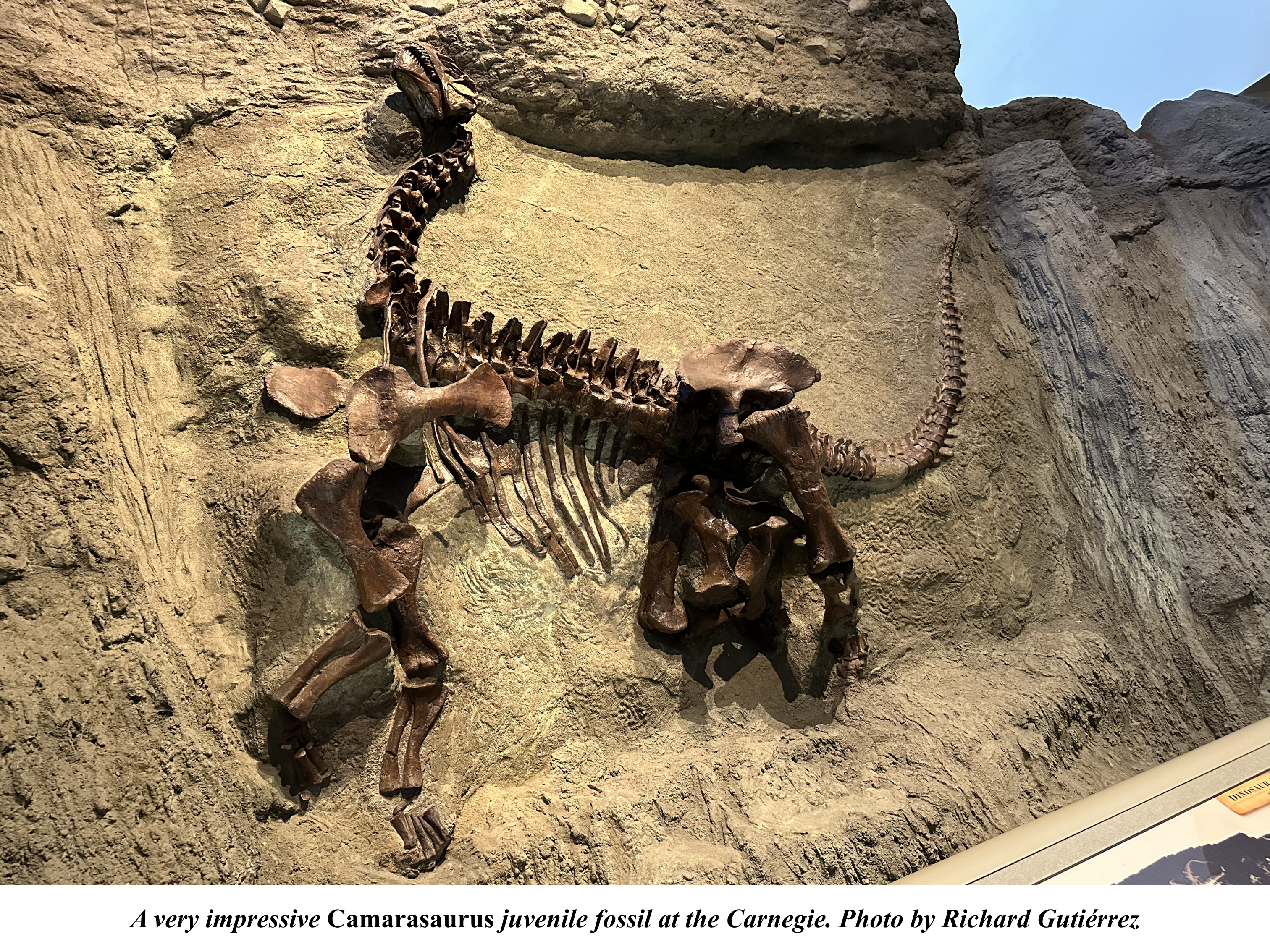
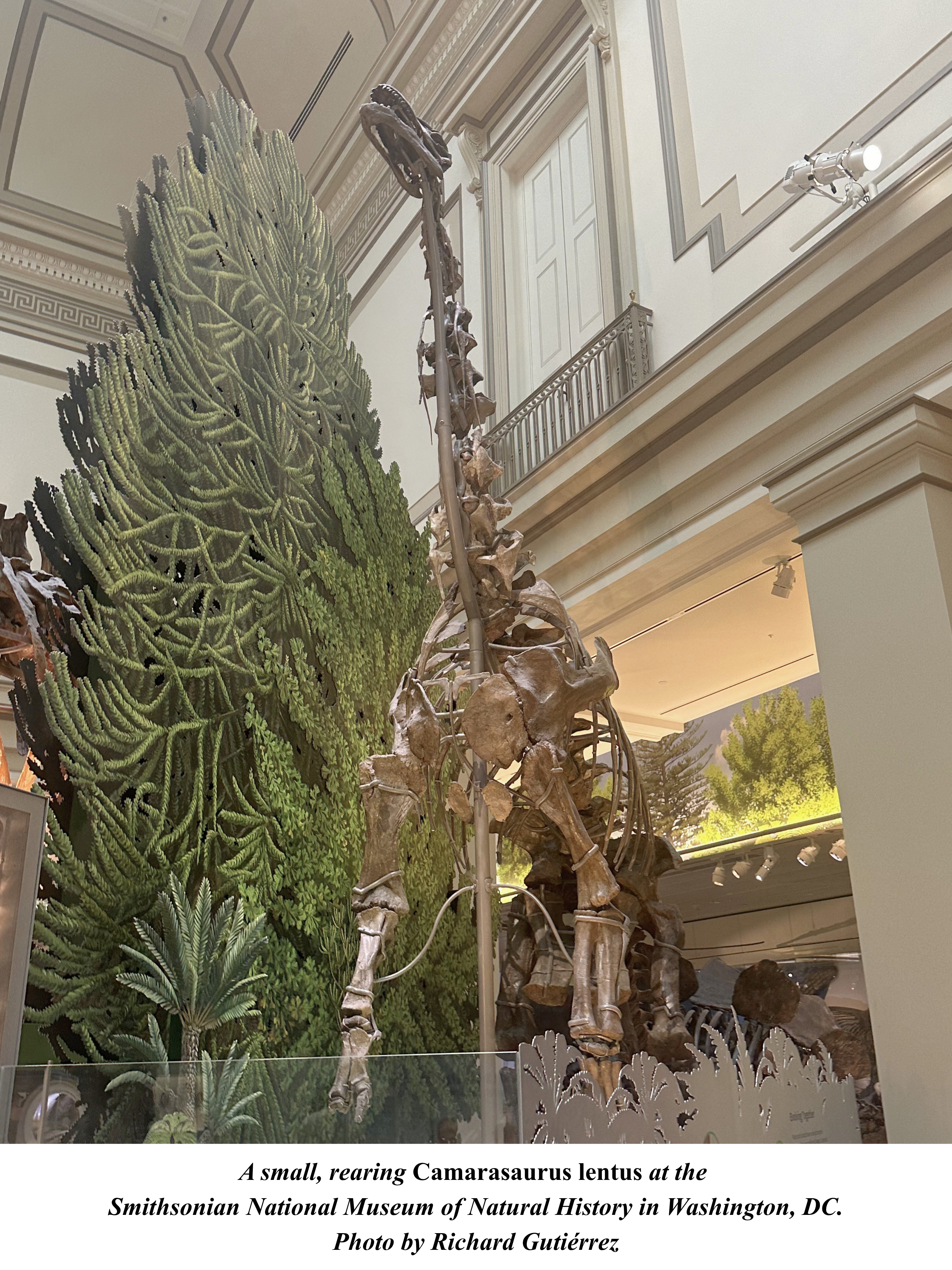
By far the most common sauropod found in the formation is Camarasaurus, known from four species: C. supremus, C. grandis, C. lentus, and the slightly controversial C. lewisi. The latter may represent its own genus, Cathetosaurus, though most studies do acknowledge it as a species of Camarasaurus. This genus was so successful that the Morrison can be divided into different Camarasaurus-based zones. The “no Camarasaurus zone” includes the earliest portions of the timeframe recorded in the Morrison, the early Kimmeridgian stage. The next zone is the “C. grandis zone,” representing the middle Kimmeridgian. Next is the “C. lentus zone” of the late Kimmeridgian, followed by a “transition zone” in the early Tithonian stage, which came right after the conclusion of the Kimmeridgian. Finally is the “C. supremus zone,” covering the rest of the Tithonian. All told, the genus was vastly successful throughout nearly the entirety of the time and space recorded in the Morrison rocks.
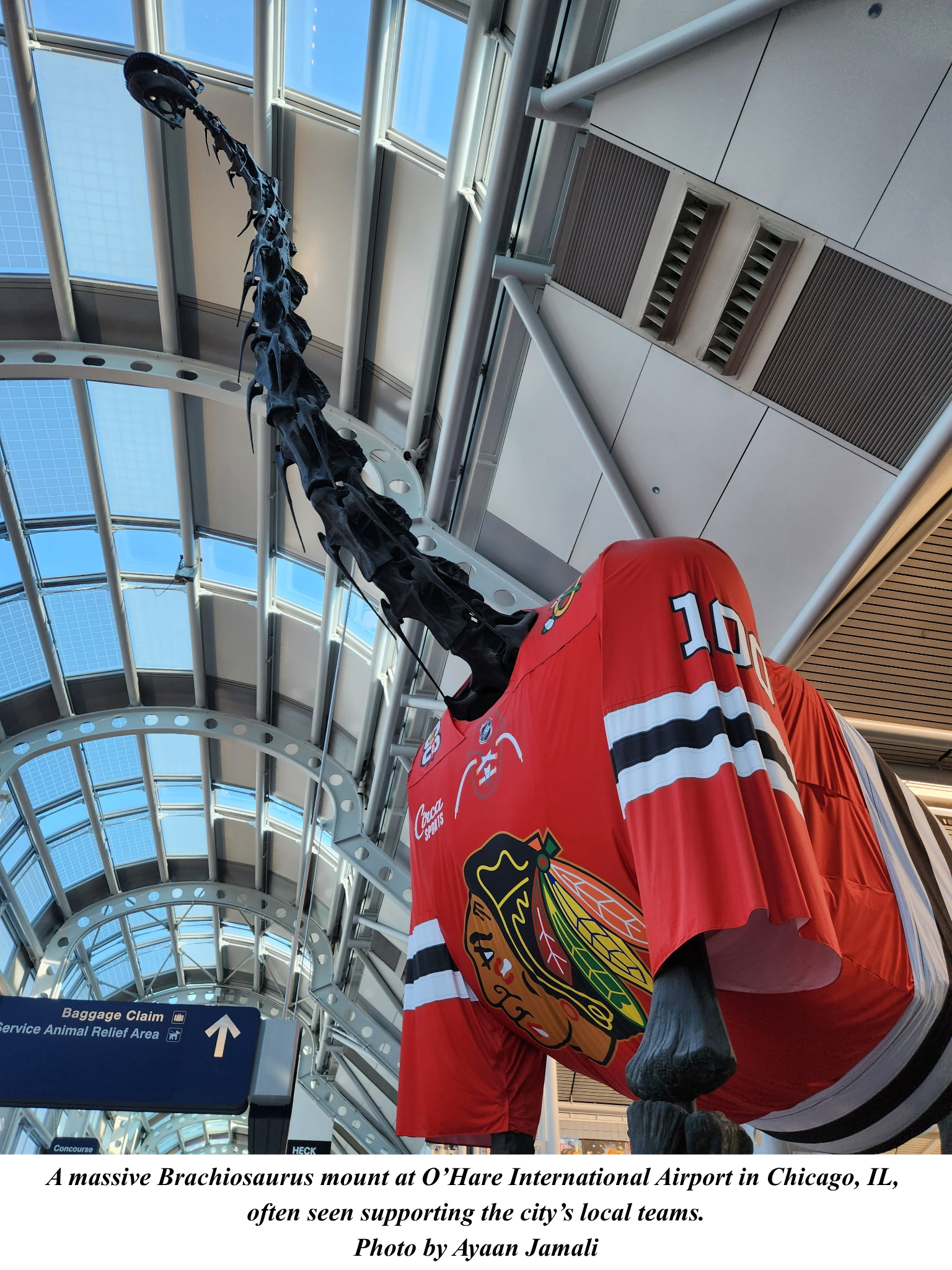
Last, but certainly not least, among the Morrison sauropods is the majestic Brachiosaurus. Immortalized in an iconic Jurassic Park scene, Brachiosaurus is known for its height. In 1988, Gregory S. Paul estimated a length of 82 feet (25 meters) and a towering height of 52 feet (15 meters), though these numbers are likely slight overestimations. Part of the secret to Brachiosaurus’ height is in its name, which means “arm lizard.” Its arms were much longer than its legs, creating a frame perfect for a more upright posture than the diplodocids. The only species is B. altithorax. However, a second, African species called B. brancai was also known. In the same 1988 paper by Paul, he found this species to warrant its own genus, now known as Giraffatitan. This confusing taxonomy has actually hindered most people from painting an accurate picture of Brachiosaurus, specifically in its skull. No B. altithorax skulls were known for many years, so reconstructions of Brachiosaurus relied on the closely-related G. brancai’s skull, which had a much steeper profile. Since their bodies were so similar, most depictions of Brachiosaurus, including toys, paintings, and even Jurassic Park, actually match what is now Giraffatitan. Despite this confusion, Brachiosaurus endures as an exceedingly recognizable and iconic Morrison sauropod.
It is important to note that, as alluded to in the Kaatedocus, Haplocanthosaurus, and Camarasaurus portions above, they did not all live at the exact same time. The Morrison formation is thick and sprawling, with its sediment encompassing two Late Jurassic stages, the Kimmeridgian and Tithonian, totaling around 10 million years. As such, some of these genera may have lived in the earliest Kimmeridgian or latest Tithonian, never crossing paths. Even those who lived simultaneously may have been geographically separated by the varied ecosystems housed at any given time over what is now the Morrison. What this catalog of sauropods does show, though, is just how diverse the group was, and how successful these highly specialized, titanic herbivores were at this collection of times and places. Without these magnificent beasts, Jurassic North America would have looked vastly different. Their unique features and giant sizes have captured the public imagination for over a century, and the Morrison is, hands down, the greatest location for unearthing the sauropods.
Sources:
Boisvert, C., Curtice, B., Wedel, M., & Wilhite, R. (2024). Description of a new specimen of Haplocanthosaurus from the Dry Mesa Dinosaur Quarry. The Anatomical Record, 307(12), 3782–3800. https://doi.org/10.1002/ar.25520
Carpenter, K. (2005). Biggest of the big: a critical re-evaluation of the mega-sauropod Amphicoelias fragillimus Cope, 1878. New Mexico Museum of Natural History and Science Bulletin , 36(36). https://www.researchgate.net/publication/40662741_Biggest_of_the_big_a_critical_re-evaluation_of_the_mega-sauropod_Amphicoelias_fragillimus_Cope_1878
Carpenter, K. (2018). Maraapunisaurus fragillimus, N.G. (formerly Amphicoelias fragillimus), a basal Rebbachisaurid from the Morrison Formation (Upper Jurassic) of Colorado. Geology of the Intermountain West, 5, 227–244. https://doi.org/10.31711/giw.v5.pp227-244
Geological Society of America. (2012, November 12). Seismosaur Cut Down To Size. ScienceDaily. https://www.sciencedaily.com/releases/2004/11/041108020944.htm
Ikejiri, T. (2005). DISTRIBUTION AND BIOCHRONOLOGY OF CAMARASAURUS (DINOSAURIA, SAUROPODA) FROM THE JURASSIC MORRISON FORMATION OF THE ROCKY MOUNTAIN REGION. New Mexico Geological Society. https://www.researchgate.net/profile/Takehito-Ikejiri/publication/272152601_Distribution_and_biochronology_of_Camarasaurus_Dinosauria_Sauropoda_from_the_Jurassic_Morrison_Formation_of_the_Rocky_Mountain_Region/links/55647e6508ae87313dcb8a61/Distribution-and-biochronology-of-Camarasaurus-Dinosaria-Sauropoda-from-the-Jurassic-Morrison-Formation-of-the-Rocky-Mountain-Region.pdf
Paul, G. S. (1988). THE BRACHIOSAUR GIANTS OF THE MORRISON AND TENDAGURU WITH A DESCRIPTION OF A NEW SUBGENUS, GIRAFFATITAN, AND A COMPARISON OF THE WORLD’S LARGEST DINOSAURS. Hunteria, 2(3). http://gspauldino.com/HunteriaBrachio.pdf
Society of Vertebrate Paleontology. (2021). THE SOCIETY OF VERTEBRATE PALEONTOLOGY 81ST ANNUAL MEETING. https://vertpaleo.org/wp-content/uploads/2021/10/SVP_2021_VirtualBook_final.pdf
TRIPinfo. (2024). Top 20 North American Museums by Attendance. Tripinfo.com. https://www.tripinfo.com/tips/top-20-north-american-museums-by-attendance
Tschopp, E., & Mateus, O. (2012). The skull and neck of a new flagellicaudatan sauropod from the Morrison Formation and its implication for the evolution and ontogeny of diplodocid dinosaurs. Journal of Systematic Palaeontology, 11(7), 853–888. https://doi.org/10.1080/14772019.2012.746589
Tschopp, E., Mateus, O., & Benson, R. B. J. (2015). A specimen-level phylogenetic analysis and taxonomic revision of Diplodocidae (Dinosauria, Sauropoda). PeerJ, 3, e857. https://doi.org/10.7717/peerj.857
Tschopp, E., Whitlock, J. A., D. Cary Woodruff, Foster, J. R., Lei, R., & Giovanardi, S. (2022). The Morrison Formation Sauropod Consensus: A freely accessible online spreadsheet of collected sauropod specimens, their housing institutions, contents, references, localities, and other potentially useful information. Peer Community Journal, 2. https://doi.org/10.24072/pcjournal.100
Utah Friends of Paleontology. (n.d.). The Dystrophaeus Project - It All Started in 1859. Utahpaleo.org. https://utahpaleo.org/2021/03/19/the-dystrophaeus-project/
van der Linden, T. T. P., Tschopp, E., Sookias, R. B., Wallaard, J. J. W., Holwerda, F. M., & Schulp, A. S. (2024). A new diplodocine sauropod from the Morrison Formation, Wyoming, USA. Palaeontologia Electronica. https://doi.org/10.26879/1380
Weber, A. (2018). Oh Say Can You Dippy: Andrew Carnegie and His Dinosaurs. Carnegiemnh.org. https://carnegiemnh.org/oh-say-can-you-dippy-andrew-carnegie-and-his-dinosaurs/
Photo sources:
https://commons.wikimedia.org/wiki/File:Supersaurus_dinosaur.png